Home · Services · Emergency HVAC Service
Emergency HVAC Service in Indio, CA
Quick answer
Honest emergency triage in Indio: no-heat cold-snap nights ranked first, no-cool calls ranked by who is in the house in Indio, shaped by ranch homes, subdivision stock, and manufactured homes where extreme desert heat, dust loaded coils, and aging ranch stock units drive the call pattern.
Emergency HVAC Service in Indio starts with the local read: older ranch homes and date grove era stock near the old town, eighties and nineties subdivision homes, manufactured and modular stock on the edges, and newer master planned homes on the north side. The Whitewater River side of the service area and the city's very hot dry summers, mild winters, and blowing desert dust set the order of work, and the scope names that order in writing before anyone commits to a price.
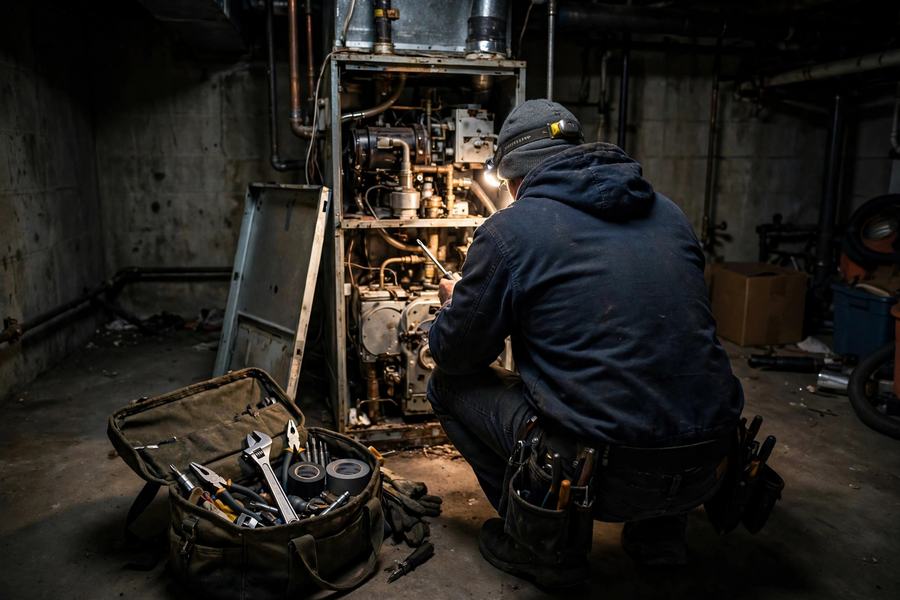
How we approach this job
Emergency response first: For emergency hvac service in Indio, the buying situation is urgency: stop the damage from growing, make the property safe, and document conditions before anything is disturbed.
Signs you need emergency hvac service
- No cooling during a heat wave with vulnerable people in the home. It usually means the freeze clock or the heat clock is already running on the house itself.
- Water pouring from an air handler or a condensate overflow. It usually means temporary heating or cooling to one room may be the right first job.
- A breaker that trips again every time the system starts. It usually means the system is drawing fault current: a shorted component or a dying compressor protecting itself through the breaker.
- Burning electrical smell at the unit or the vents. It usually means electrical insulation or a motor is overheating; shut it down and keep it down until it is opened.
What the job involves
What affects the price
- Time of day and day of week; after hours rates are stated before dispatch, not discovered on the invoice
- Component failed and whether it is a stocked truck part
- System age, which decides whether an emergency repair is sound money or a bridge to replacement
- Weather severity, which sets the triage order across the whole call board
When it is an emergency
This page is the emergency, and its first rule is the exception: gas smell or a sounding carbon monoxide alarm is not an HVAC call, it is an evacuation and a utility or 911 call. Everything else on this page (no heat in deep cold, no cooling in dangerous heat, water pouring, breakers tripping) is a call now, and saying who is in the house helps the dispatcher order the board honestly.
PLACEHOLDEREmergency HVAC Service across the Indio area
Related services
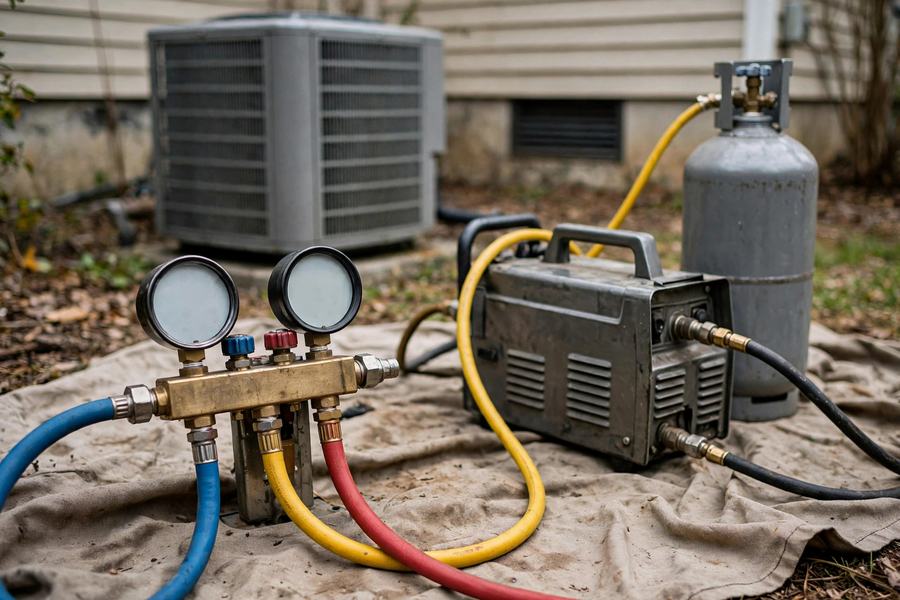
AC Repair
AC repair for Indio homes where altitude, cotton-matted coils, and hail-folded fins set the diagnosis order in Indio, shaped by ranch homes, subdivision stock, and manufactured homes where extreme desert heat, dust loaded coils, and aging ranch stock units drive the call pattern.
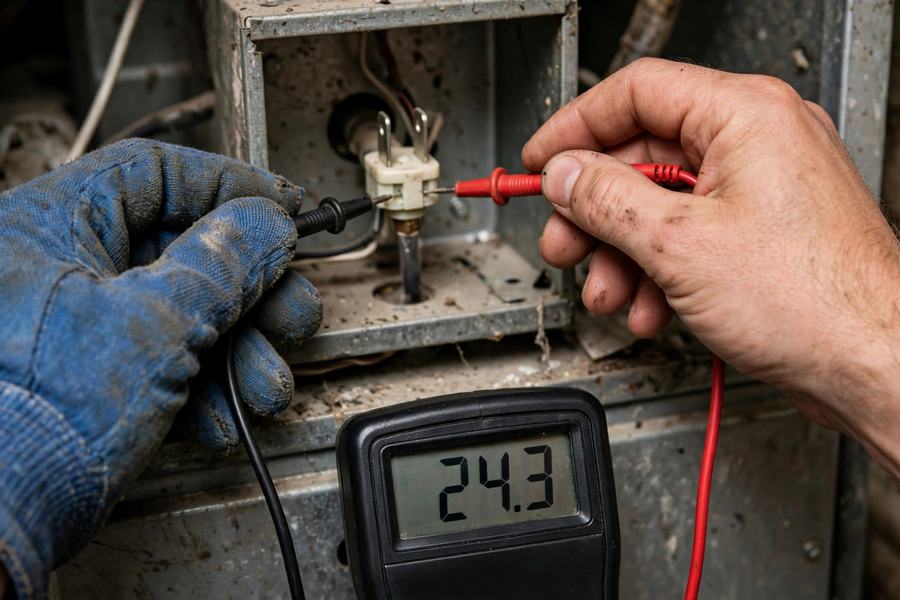
Furnace & Heating Repair
Furnace repair in Indio, shaped by ranch homes, subdivision stock, and manufactured homes where extreme desert heat, dust loaded coils, and aging ranch stock units drive the call pattern.
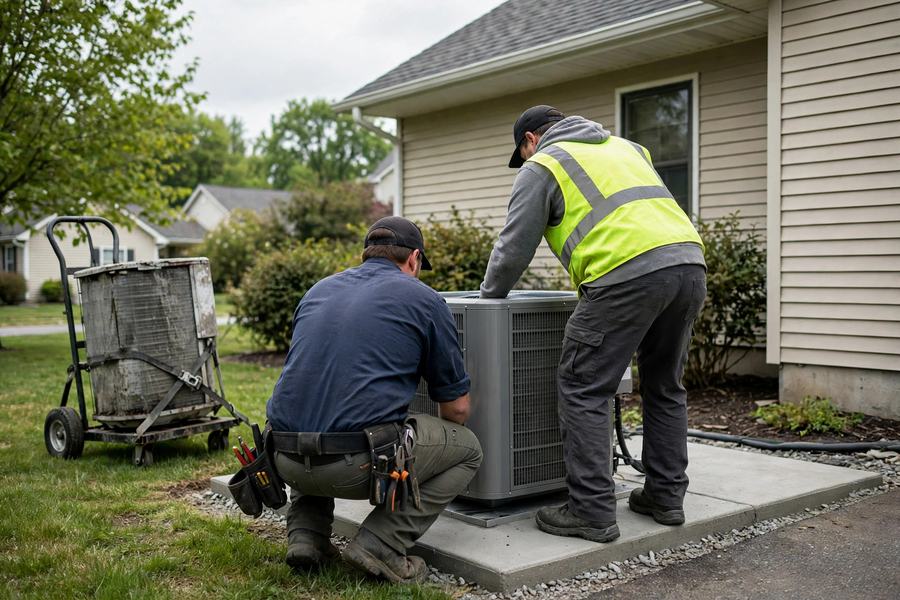
HVAC System Replacement
System replacement in Indio with the altitude derating and gas setup named in the written scope, not assumed in Indio, shaped by ranch homes, subdivision stock, and manufactured homes where extreme desert heat, dust loaded coils, and aging ranch stock units drive the call pattern.
Heat Pump Repair & Installation
Heat pump service in Indio, shaped by ranch homes, subdivision stock, and manufactured homes where extreme desert heat, dust loaded coils, and aging ranch stock units drive the call pattern.
Emergency HVAC Service questions, answered
When is emergency hvac service an emergency?
This page is the emergency, and its first rule is the exception: gas smell or a sounding carbon monoxide alarm is not an HVAC call, it is an evacuation and a utility or 911 call. Everything else on this page (no heat in deep cold, no cooling in dangerous heat, water pouring, breakers tripping) is a call now, and saying who is in the house helps the dispatcher order the board honestly.
What affects the price of emergency hvac service in Indio?
The main price factors for emergency hvac service are covered in the cost section above. The contractor confirms the exact price in a written estimate after seeing the job, and nothing is owed until you approve it. The call and the referral are free.
How much does a new HVAC system cost in Indio?
Published national guides put full system replacement commonly between $5,000 and $12,500 or more installed, with size, efficiency tier, fuel type, and duct work deciding where a house lands. Single component repairs run $150 to $650 for most findings, and a diagnosis visit runs $75 to $200. The honest quote separates equipment, duct corrections, and electrical or venting changes into lines, because the duct line is where replacement quotes quietly differ by thousands between companies measuring the same house.
There is ice on my AC line and the coil looks frozen. What now?
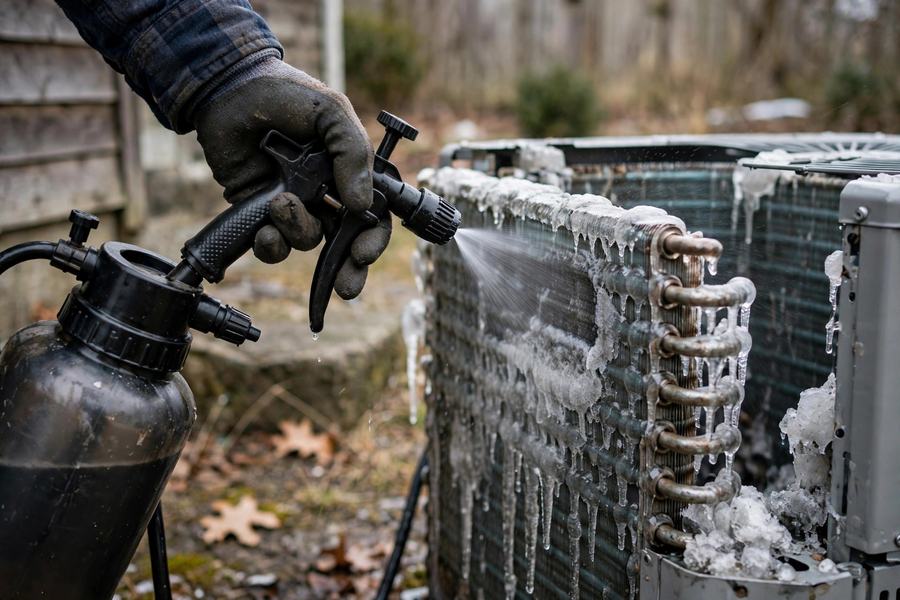
Turn the cooling off and run the indoor fan. A frozen coil is a symptom, usually of low airflow (filter, blower, closed or blocked vents) or low refrigerant from a leak, and running the system frozen risks the compressor, the most expensive part in the system. Let it thaw fully (hours, not minutes) before a technician tests it, because readings on a frozen coil lie. Do not chip the ice. If it freezes again after a filter change, the cause is refrigerant side or blower side, and that is a diagnosis visit, not another thaw.
How often should HVAC be serviced, and when?
Once a year per function: cooling before the heat season, heating before the cold season, which for most homes means one or two visits a year. The work that matters is unglamorous: coils cleaned, the condensate drain flushed (its failure is the one that floods ceilings), electrical components tested against readings, and safety controls proven on heating equipment. Shoulder season scheduling is the practical advice: the same visit in the first heat wave joins a queue of people whose systems already failed.
Request a callback
Prefer to talk later? Leave your details and an independent local pro will call you back. No charge to you, no obligation.
Whitewater River Air is a free referral service. Submitting this form connects you with independent local contractors who provide the work.